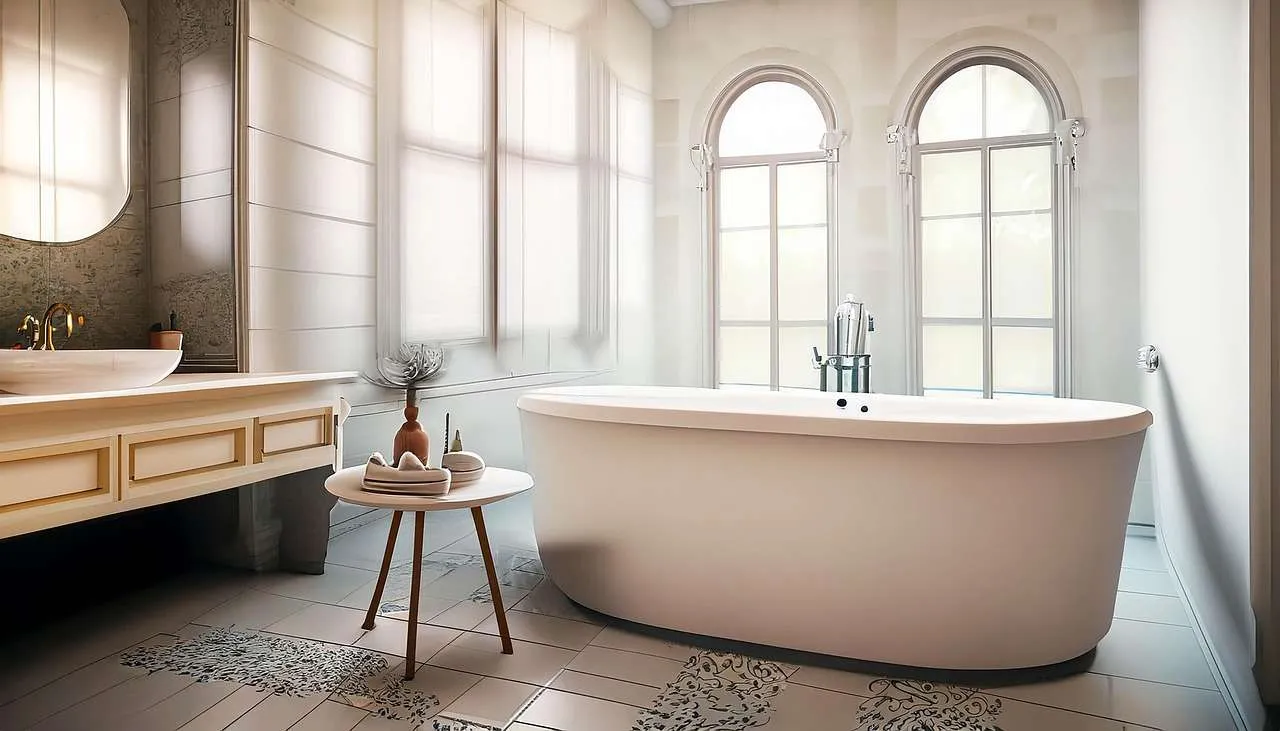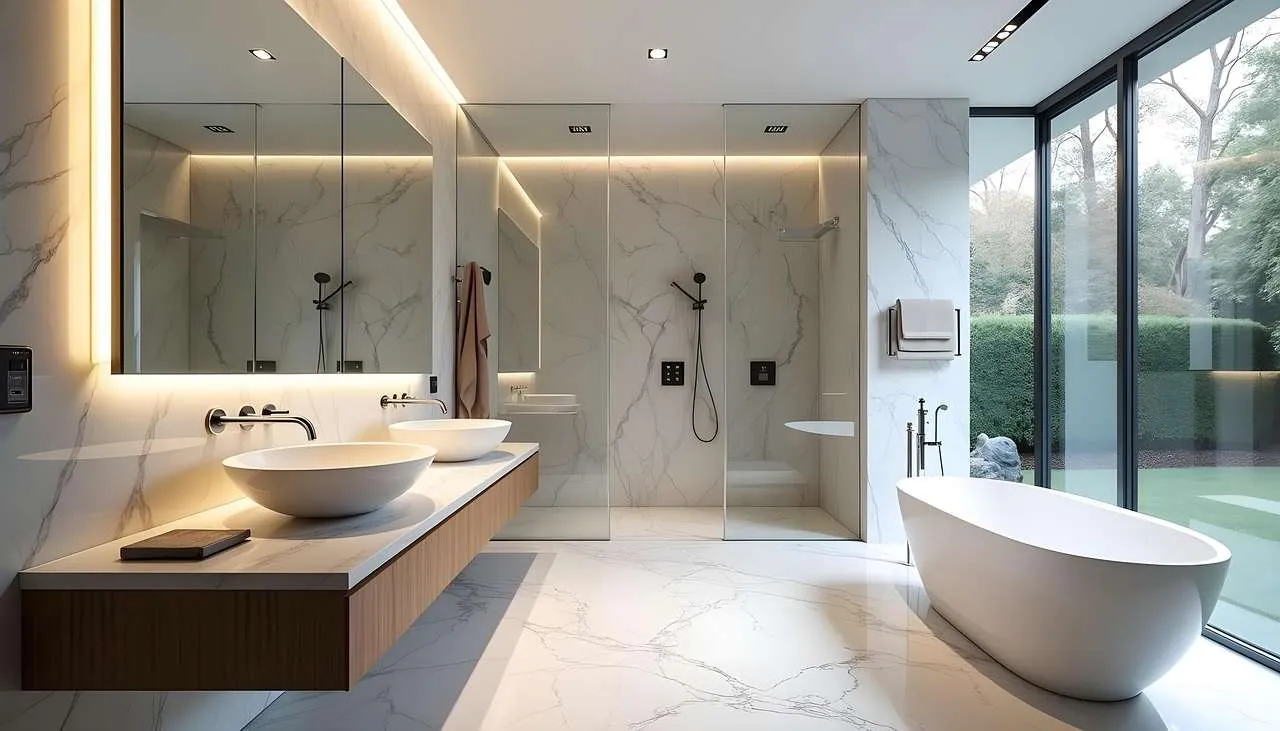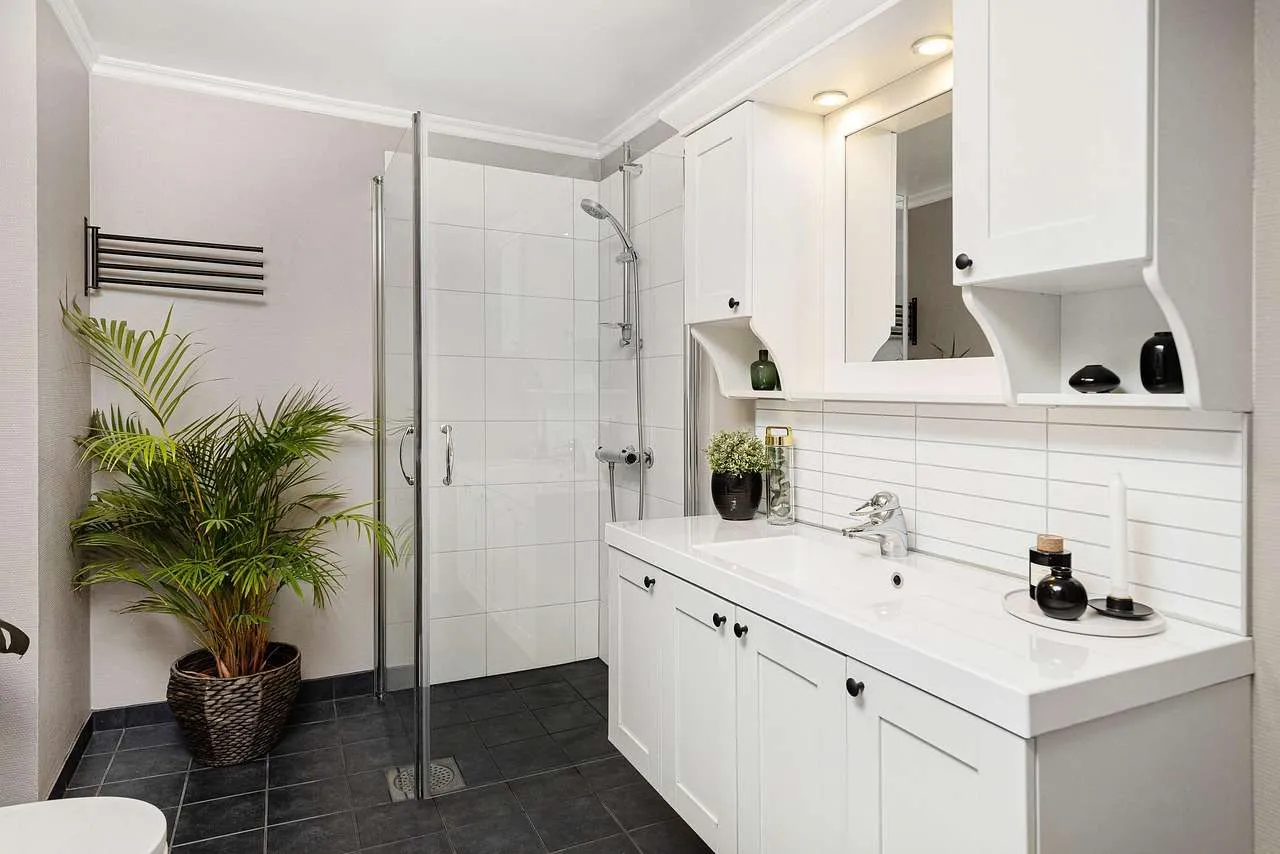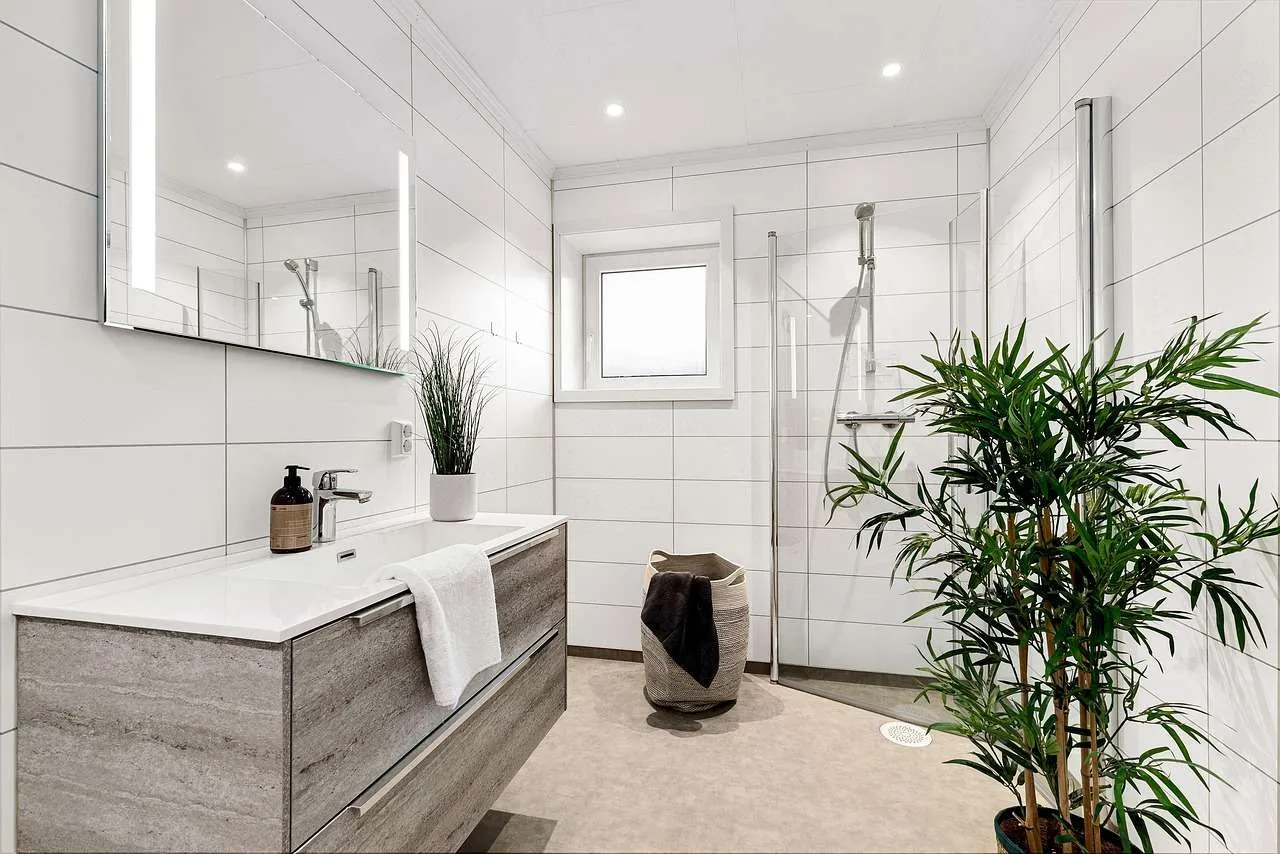
Choosing the right bathroom tiles can transform both style and function. As a seasoned design and SEO professional with a decade of experience guiding homeowners, I present a practical guide to help you pick tiles that endure and delight.
Understanding bathroom tiles
Bathroom tiles do more than cover walls and floors. They protect surfaces from moisture, define zones, and influence light and perception of space. When selecting bathroom tiles you should consider durability, water absorption, slip resistance, and ease of maintenance. The core keyword bathroom tiles appears across materials and patterns that fit your lifestyle and budget.
Materials and how they compare
Porcelain and ceramic tiles are the most common choices for bathrooms. Porcelain is a dense, low water absorption tile that resists stains and wear. Ceramic tiles are generally cheaper and available in many colors and patterns but may require more maintenance in wet areas. Natural stone like marble or travertine offers luxury and warmth but needs more sealing and ongoing care. Glass tiles brighten rooms and reflect light but can show water marks if not kept clean. For high traffic showers or tubs consider anti slip textures and wide grout lines that are easier to maintain.
Porcelain versus ceramic
Porcelain tiles can be used on floors and walls and are ideal for showers due to their low porosity. Ceramic tiles work well for walls and less demanding floor areas. Both come in formats from small subway sizes to large planks. When you buy porcelain bathroom tiles you typically pay more upfront but you gain durability and long term value.
Natural stone and glass options
Natural stone adds luxury but needs sealing and regular maintenance to avoid staining. Honed finishes reduce glare but require regular sealing. Glass tiles reflect light and create a sense of space; they are often used as backsplashes or accents in showers but require careful cleaning to avoid soap scum visibility.
Design ideas and trends
Patterns and formats set the tone in a bathroom. Large format tiles create a seamless look with fewer grout lines, while small formats like hexagons or subway tiles emphasize retro charm. Herringbone and basket weave patterns add visual interest to walls and showers. Neutral palettes such as warm taupe or cool gray keep bathrooms timeless, while bold accents like blue glass or black grout provide character. When mixing materials, use one unifying element such as a common grout color or a shared tile size to maintain harmony.
Installation and maintenance tips
Professional installation is essential for moisture prone spaces. A reliable tile job includes a waterproof membrane behind walls and a reinforced shower pan or wedi style system in wet areas. Grout selection matters; epoxy grout offers stain resistance for baths that see soap and minerals, while cementitious grout is more affordable but requires sealing. Regular cleaning with a pH balanced cleaner and routine sealing of porous stones extends life. For slip resistance choose textured or matte finishes for floors and verify the tile slip rating before purchase.
Costs, sizing and selecting
Tile costs vary by material, size and finish. Porcelain typically ranges from moderate to mid high while ceramic remains budget friendly. Natural stone tiles carry a premium not only for the material but for sealing and maintenance. Large format tiles reduce grout lines and speed up installation, but may require more careful subfloor prep. Always calculate waste and consider sample sizes before buying. Factor in waterproofing, underlayment and labor when budgeting for a full bathroom tile project.
Quick comparison table
| Material | Pros | Cons | Typical cost per sq ft | Maintenance |
|---|---|---|---|---|
| Porcelain | Very durable, low water absorption | Higher upfront cost | 3 to 7 | Low maintenance; seal rarely required |
| Ceramic | Budget friendly, wide style options | Less durable on floors | 1 to 5 | Regular cleaning; occasional sealing |
| Natural stone | Luxurious look, unique veining | Requires sealing and more care | 8 to 25 | Seal periodically; avoid acidic cleaners |
| Glass | Brightens spaces, modern look | Shows water marks, fragile | 7 to 20 | Wipe dry; avoid abrasive cleaners |
| Metal | Unique sheen, durable | Costly and may require special maintenance | 15 to 40 | Keep dry; use non acidic cleaners |
Regular maintenance extends tile life. Reseal natural stone every 1 to 3 years depending on usage, and refresh silicone seals around showers to prevent moisture intrusion.
Conclusion, choosing bathroom tiles means balancing durability and design. Porcelain and ceramic offer durability and value, natural stone adds luxury with maintenance, and glass can brighten spaces. Prioritize slip resistance, proper waterproofing, and professional installation to ensure a long lasting, stylish bathroom.